

After the general success of 2022 in terms of sheer output, it was quite challenging to repeat the same results. Add to this that I started to print my scores, a process that, at least in the beginning, involved quite a lot of pain. Still, I am grateful to have done the investment, or I would have for sure regretted this in the future. Let’s start rolling in the same month-by-month fashion used in last year’s articles (part 1, part 2).
January
As teased, January saw the start of my printing-distributing venture, with the availability of Boccherini’s Sonata in B-flat for cello and basso as a hard copy for the first time.

I was still fresh from releasing the collection of studies by Kummer in December so, beside much planning, this month didn’t see any new edition being released. The amount of work needed to update an edition to be ready for print, though, was immense, and I would like to count this as (1) on the publishing scale.
February
The second month of 2023 saw an increase in engraving commissions, plus my first-ever invitation to hold a conference on music notation. Then, my Sibelius automating profile for MetaGrid Pro (an iPad app) crossed the 100 copies sold, a great milestone for a product I had built simply to help myself.

The first new edition of 2023 was Dotzauer’s Russian Air with 20 variations for cello and basso. This was also the first piece I released as digital and print versions at the same time. You can find it here, and hear how it sounds here (2).

Always in February, I updated Piatti’s Caprice n° 7 for cello with additional piano accompaniment by the composer and released it in hard copy. Find it here and listen to it here (3).

March-April
Due to health issues, I had to postpone some things. On the bright side, I found a worldwide distributor, a much better and reliable printer than the one who printed Boccherini1, and accelerated on that side.
Updated editions or editions made ready for print and distribution in March included:
- Kummer, Friedrich August — Eight Grand Studies, Op. 44, for two cellos (video here) (4)

- Dotzauer, J. J. F. — Twelve Pieces, Op. 52 (video here) (5)
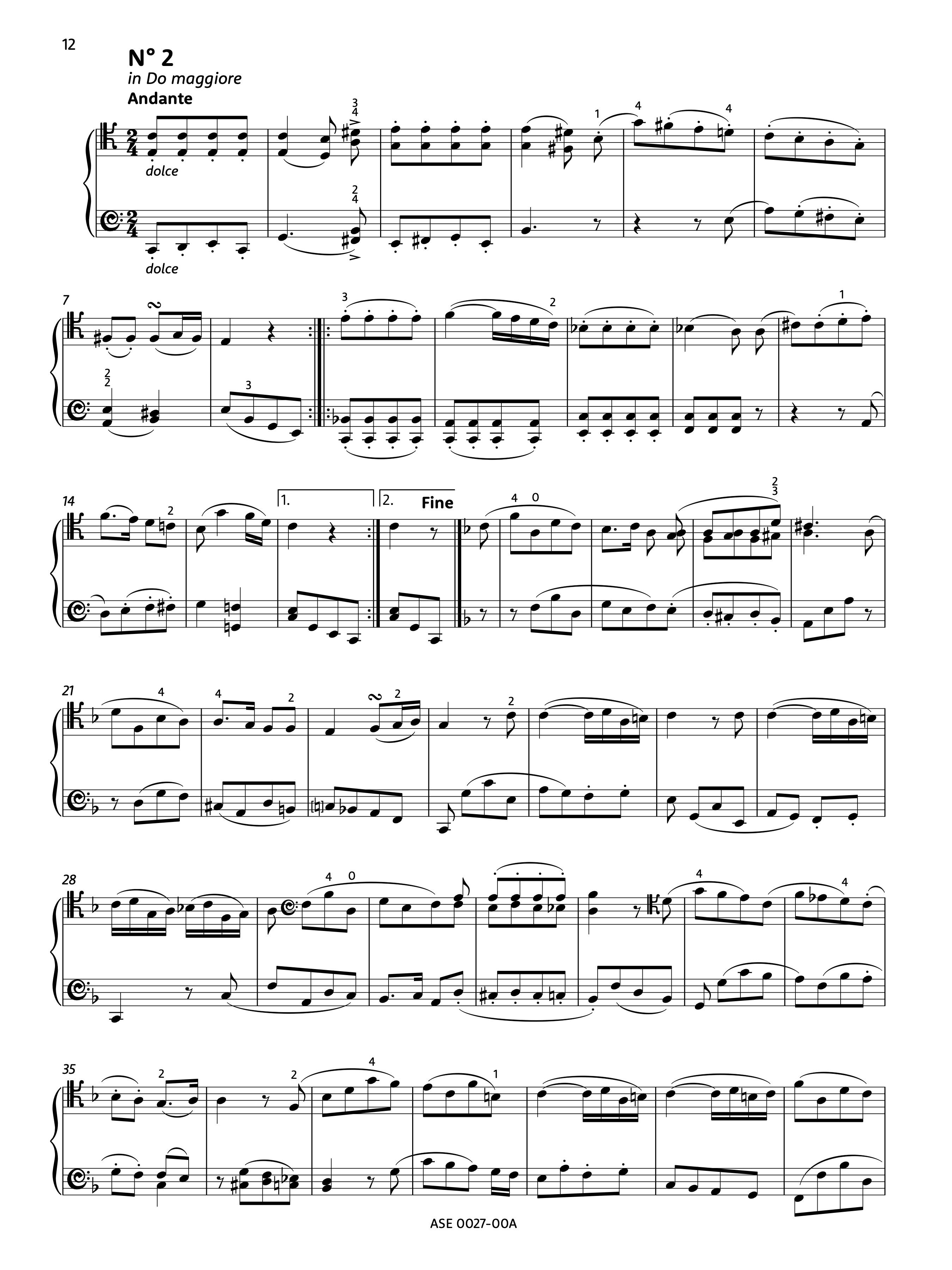
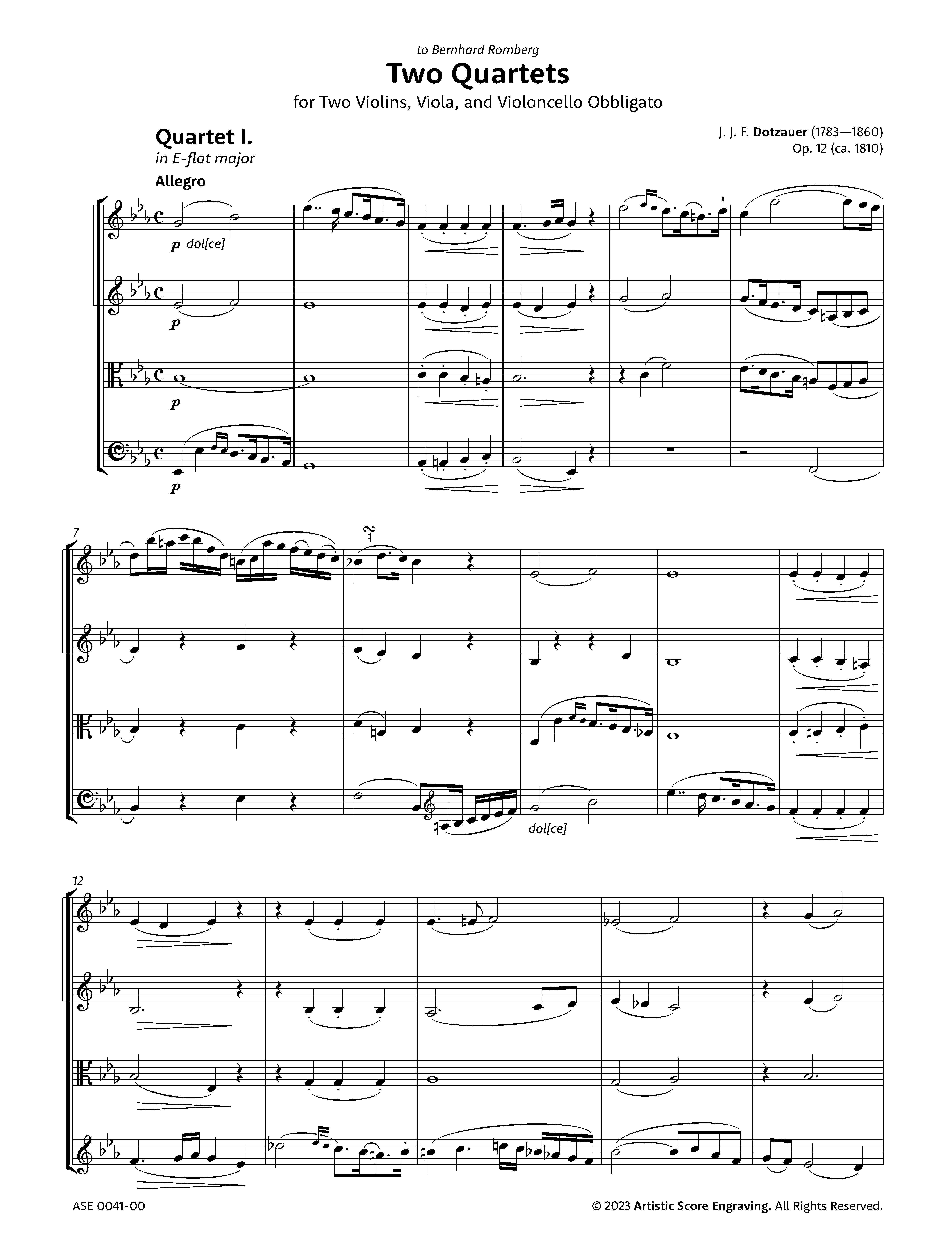
There was one new edition, which was the Two String Quartets Op. 12 by Dotzauer, the first two of the twenty-one he wrote. Available digitally and as a hard copy here, with video here, it has been recently reviewed by Strings Magazine! (6)
May-June
Once more, I wasn’t able to keep a regular writing schedule for my updates, mainly due to the amount of engraving work I was (thankfully!) being tasked with. Compared to the second half of 2022, this aspect of my work performed excellently during all of 2023.
I also went back to writing blog posts, something that I was sorely missing. I realised I needed to be more present on the web, or I would have silently and hopelessly drowned in the noise.
One edition was updated and printed, Dotzauer’s Twelve Pieces for two cellos, Op. 58, available here (video here). (7)

Two new editions were also released, this time only digitally, but one of them represented a great milestone because it was the first edition completely realised by my partner! I had been training her silently and in the shadows for years in our spare time, and now she had gotten to a point where she could prepare a Sibelius score on her own. This edition is Marcello’s Six Sonatas a 3 for two cellos and basso, and you can find it here. (8)

The second edition was J. S. Bach’s Suite IV in E-flat major, BWV 1010, for cello solo, with piano accompaniment by Piatti. Find it here, and listen to it here. (9)

July
July was a bittersweet month because while wonderful things happened, unexpected backstabbing poisoned most of the good things I was trying to do. Let’s start with the good things.
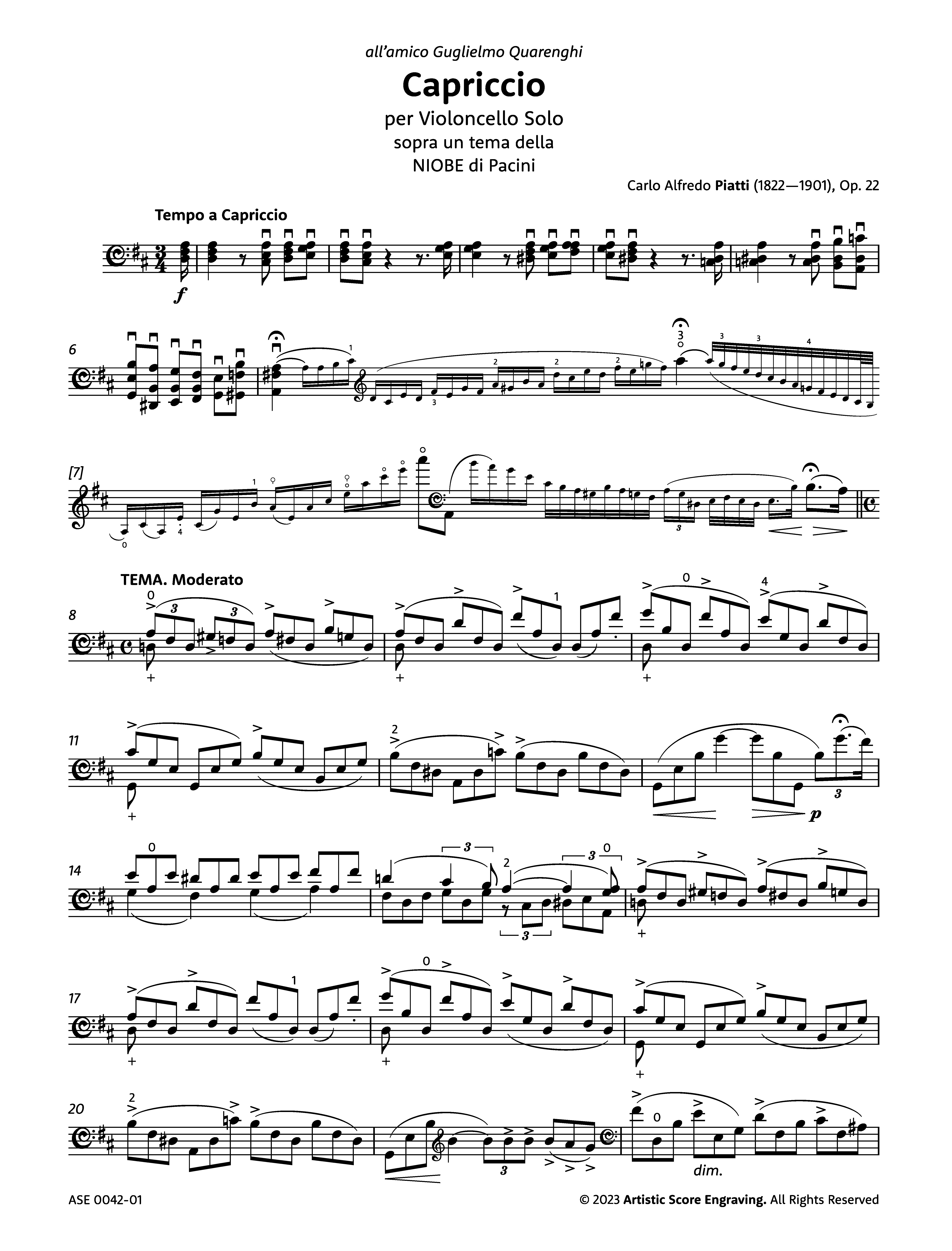
Thanks to a series of fortunate events, I could collaborate with Maestro Antonio Meneses on a new edition by Piatti, the Capriccio sopra un tema della Niobe di Pacini, Op. 22, for cello solo. It was an immense honour, and you can find it here. (10)
On July 2, cello-start Sol Gabetta performed the world first modern performance of Bach’s Suite n° 1 for cello solo, with piano accompaniment by Piatti. I invested heavily in updating this edition, printing it, and making it available to her in time for the festival. (11)

From how this investment turned out, I decided to pause the printing of scores. It was hard enough to do things with no economical support whatsoever and, when someone thought the best they could do was abusing their position to profit from my work, I realised a pause of reflection was needed.
August
The new edition of this month was something unexpected: Six Waltzes for piano four-hands by Dotzauer! I’ve written an article about it because it’s a fascinating story. You can find the edition here, and listen to how it sounds here. (12)

One edition was updated to the new design, Piatti’s Quartettino “In Vacanza” for cellos. You can find it here, and listen to how it sounds here. (13)

I also wrote twelve blog posts in August! Moreover, I started to create promotions around my scores, and to try to achieve a more regular presence on the web.
September
A new arrangement for 8 cellos was released here, by the great Brazilian cello master Raïff Dantas Barreto, in the form of Beethoven’s Egmont Overture, Op. 84. Listen to him playing the 8 parts together here, and find the edition here. (14)

October-November
A new, unexpected edition was released, sparked from a great collaboration with Fabrizio Capitanio from Bergamo. He is the curator of the music library there, and a world-class expert on Donizetti, Mayr, and the operatic environment around them. Together, we released the first modern edition of Johann Simon Mayr Piano Concerto n° 1, in full score only so far. Listen to how it sounds here. From its product page, one can pre-order the printed edition or request a set of parts (either digital or printed) for a planned performance. (15)

December
The whole of the last month was occupied by creating a great edition, which will though count as the first one of 2024. It is Dotzauer’s Three Easy Sonatas for cello and basso, Op. 103. You can read about it here, find it here, and listen to it here.
What’s next in store for 2024?
So, with 15 editions new and revised, it was still quite a productive year, I would say.
There’s plenty planned for 2024, mainly a focus on going back to the pedagogical material by Dotzauer. What I certainly hope for this year is to meet inspiring people and to strike deals with positive, genuinely enthusiastic, and honest people.
Have a nice ride through 2024, and thank you for following me so far!
- The one who printed Piatti was possibly the best, but way too expensive for my current output. ↩
 Music Preparation Services
One thought on “2023: a publishing-year in review”