
Episode 1
One more year has passed, and it is time to draw a line and see what progress was made since the last time. If I had to describe 2024 with a single sentence, it would be “Back to Basics” because all I did this year was working towards creating a strong, repeatable publishing routine. This required a thorough analysis of what was already there and a careful planning of what to do next.
How is a sheet music publishing house structured?
Being a “solopreneur” is a blessing on one side because you take all the decisions, and you do not risk hurting others around you but, at the same time, it is a great burden because when you need help, you are alone! I thought about this a couple of months ago: how many people are involved in a sheet music publishing company? Let’s keep it simple with a general/managing director, a chief editor, 2–3 editors, each one with one engraver assigned per project, a couple of proofreaders, marketing and webmaster agents, and at least one graphic designer. Certain editors can cover the graphic designer role in specific cases but, at the very least, it counts at least 10 people who all must be regularly employed in the company (engravers and designers can be freelance contractors). If you ever inquired into the cost of employed work, you will soon realise how much stable income flow such a company must have to sustain itself!
Well, in the case of ASE, I have to cover all roles listed above and to learn every skill involved in there without any previous training—I remind you I am just a cellist, after all! My partner helps with some note copying and proofreading but, still, that’s two people! This realisation was certainly a note of pride for what we have been doing so far, but it also started to weight on our shoulders because, as much effort as we are investing, we are still quite far from being profitable.
A retrospective
The first year, 2023, focused on doing things “the proper way”, that is, printing 100–150 copies of each title and making them available for purchase. It wasn’t the right move, nor the right time to do that. At the time, I wasn’t even counting the amount of work done, but the final balance was in the red zone by close to three thousand euros! Something had to chance!
For the second year, 2024, I decided, after eight months spent searching for a printer who could do this, to print an extremely low quantity of each title (10-15). If any title sold, very well, I would print in quantity; otherwise I would still be proud of having brought a product to such a high level.
The main issue remains marketing and visibility. After all, successful companies invest an absurd amount of money in that (some close to 80% of the total expenses). It is only natural, then, that my path to getting noticed involves a good amount of elbowing! My goal here is to awaken the interest for this music, and it is a game of patience. The drop that carves the rock, the last one standing!
What happened this year?
Let’s start from January!
Dotzauer Op 103
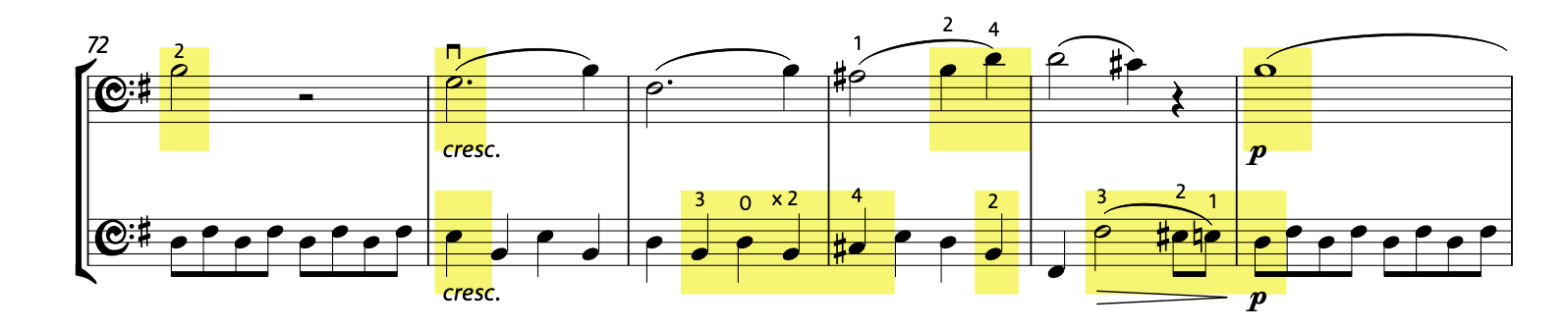
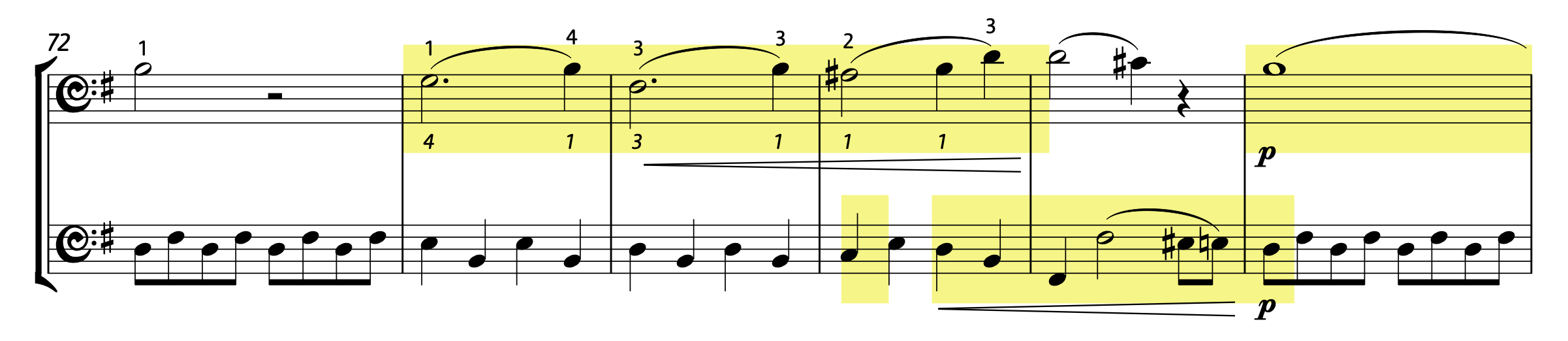
The first edition of 2024 concerned the Three Easy Sonatas for Cello, accompanied by a second Cello, Op. 103, by Justus Johann Friedrich Dotzauer. What makes this edition unique is the presence of three versions:
- a critical edition of the first print by Hofmeister (1827)
- a critical edition of the revision by Alwin Schröder from 1891 with a list of over 1200 changes
- and a new version based on the first print with my personal fingering, bowing, and performance suggestions.
What’s even more special about this edition is how changes are highlighted to allow you to see at a glance what is going on in the score. Here’s an example of what I mean.
You can find the digital copy here (if you want to pay with PayPal, contact me), and listen to how it sounds here. N1 (New Edition 1)
Mayr Piano Concerto No 1 — Reduction for Two Pianos
A new version of the concerto joined the family, in the form of the reduction for two pianos created by Fabrizio Capitanio. Here’s an extract:

You can find both the orchestral score, its parts, and the piano reduction here. This version was recently premiered in Bergamo in December 2024. N2
Updated Editions: Dotzauer, Op. 63 & 156
Two editions were updated in January:
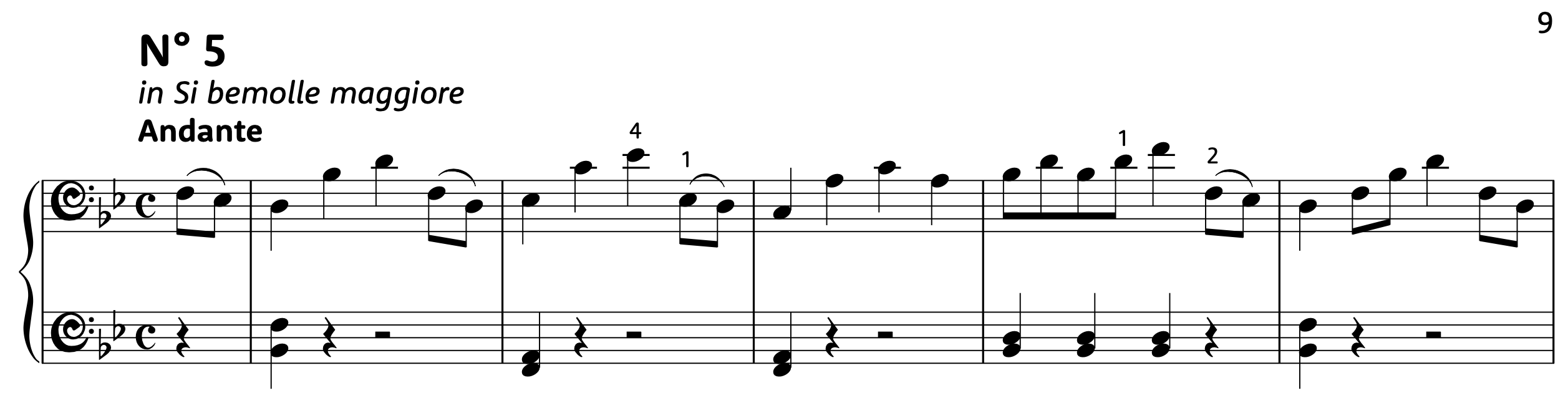
- Op. 63: Twelve Original Pieces for two cellos, dedicated to beginners. Release announcement — Purchase link — Promotional video — Deep dive article. R1 (Reviewed Edition 1)
- Op. 156: Twelve Pieces for two cellos, containing National Airs & Fugues, dedicated to beginners. Purchase link — Deep dive article — Promotional video. R2

February
New Editions: Mascagni’s Intermezzo & a GIFT
At the beginning of February, I release a trio of editions dedicated to Pietro Mascagni (1863–1945) and his Intermezzo Sinfonico from Cavalleria rusticana:
- The piano solo version, based on the composer’s autograph N3
- The full score & orchestral parts of the original orchestration (which has massively different dynamics compared to the piano version!) N4
- My arrangement for cello ensemble (I suggest at least 8 people, due to the division). N5
You can listen to it here in its piano version, here in its cello ensemble arrangement, and find it here for purchase with Apple Pay / Credit card or here for PayPal. Here’s a preview:

The surprise of this month is a GIFT book, also my first open-source project, a collection of more than 130 “pearls of wisdom” by Dotzauer, ordered, collected, and commented by me. This book is FREE to download, and it is now in English. If you would like to collaborate on the project and translate it into your language, please get in touch. Here’s the table of contents for you to see what you can expect to find.

Updated edition: Dotzauer Op 159
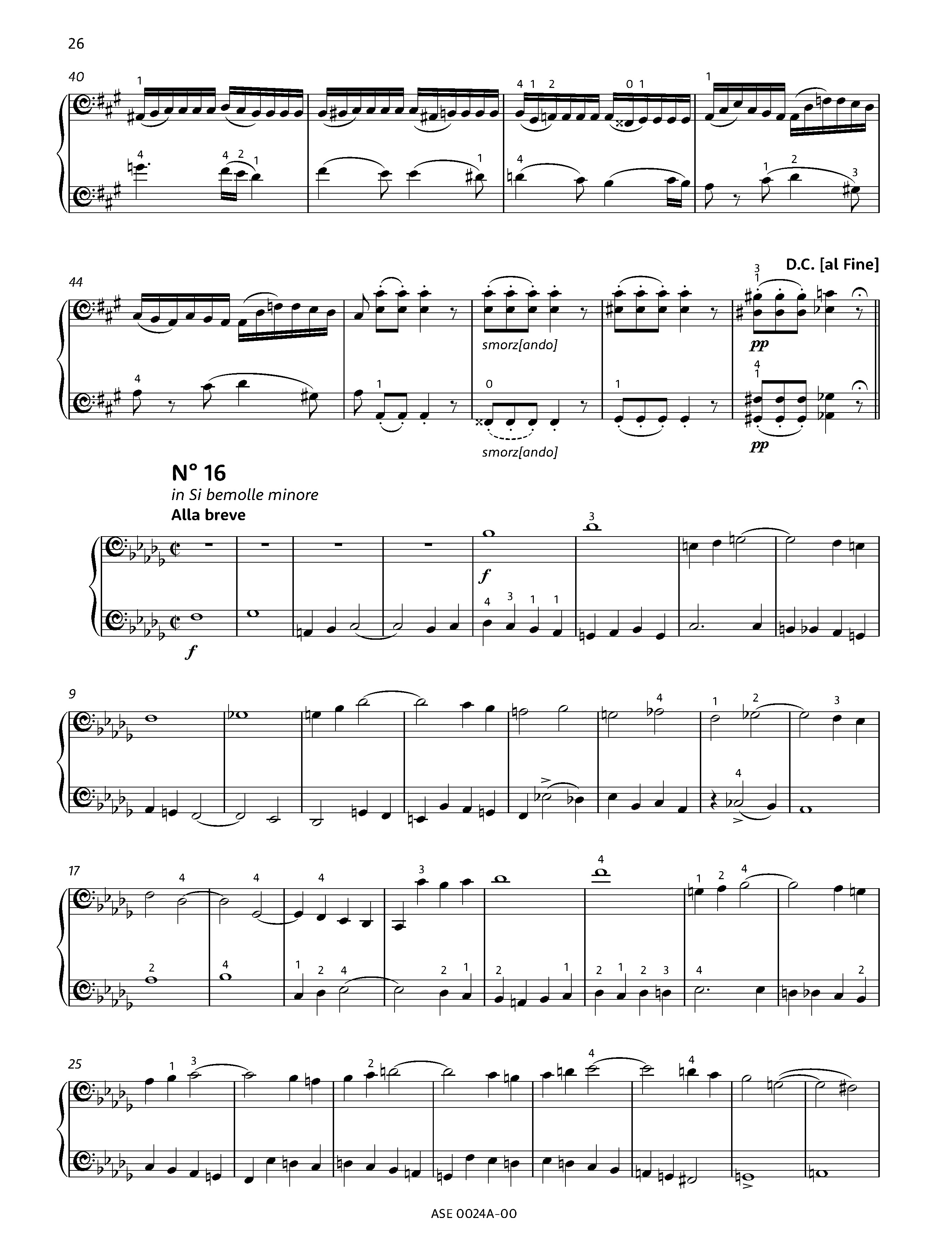
The 24 Pieces for Two Cellos, Op. 159, were finally updated after over 60 hours of work, adding the modern rendering of the first edition, alongside the two existing versions (edited by Hüllweck and Klingenberg), and an extra version with my bowing and fingering suggestions. R3
You can find it here, and listen to how no. 14 sounds here. Here’s a teaser:
March
New Editions: Piatti’s songs with cello!
This month’s production was entirely dedicated to Carlo Alfredo Piatti, with three songs for voice and piano, two of which with an obbligato cello part added to it.
The first is called Canto sopra uno studio di Duport, and it takes the popular Exercise No. 7 from the 21 Exercises, and adds to it a beautiful melody on a text by Felice Romani, over a discreet piano accompaniment.
Hear how it sounds, read about it, then go grab the physical edition (or the digital one if you prefer (no PayPal / yes PayPal)). N6

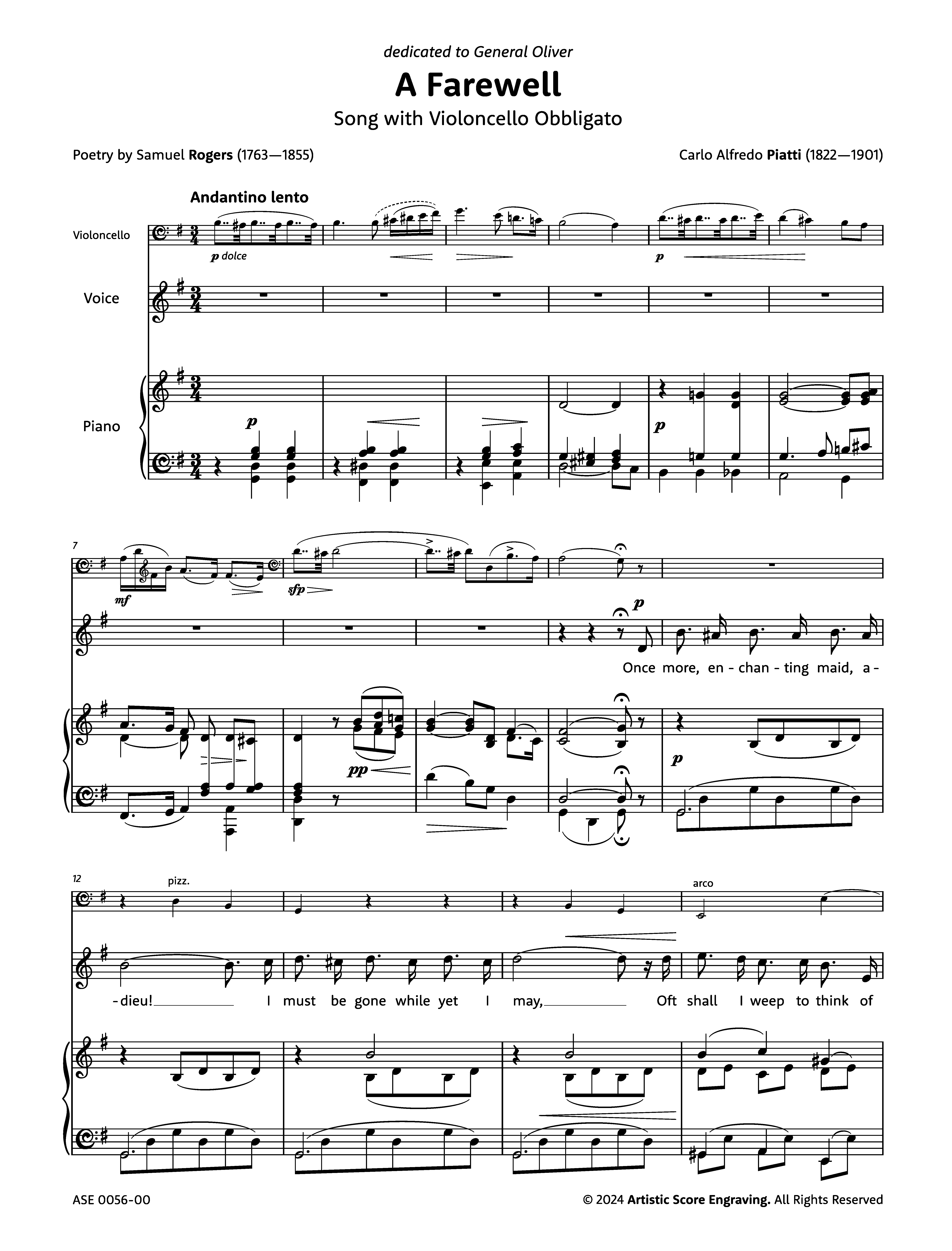
The second and third editions are based on the same text, A Farewell by Samuel Rogers (a British poet), but the similarities end here. Around 1863, fifteen years after coming to live in London, Piatti wrote two versions of this song and, curiously, the first one to be written was the one with additional cello. The following year, a version for just voice and piano would be published.
Find more here:
- video of the version for voice, cello, and piano N7
- video of the version for voice and piano N8
- printed score of the version with cello (the one without coming soon in Q1 2025).
- digital copy of each version with the possibility to purchase them as a discounted bundle (for PayPal).
- read about them in this blog post.
Later in April, I added a separate cello part to the version with obbligato cello to allow for a two cellos and piano performance.
End of First Quarter …
Stay tuned for the next episode by subscribing to this blog in the bottom-right corner!
Thank you for reading so far!
 Music Preparation Services