
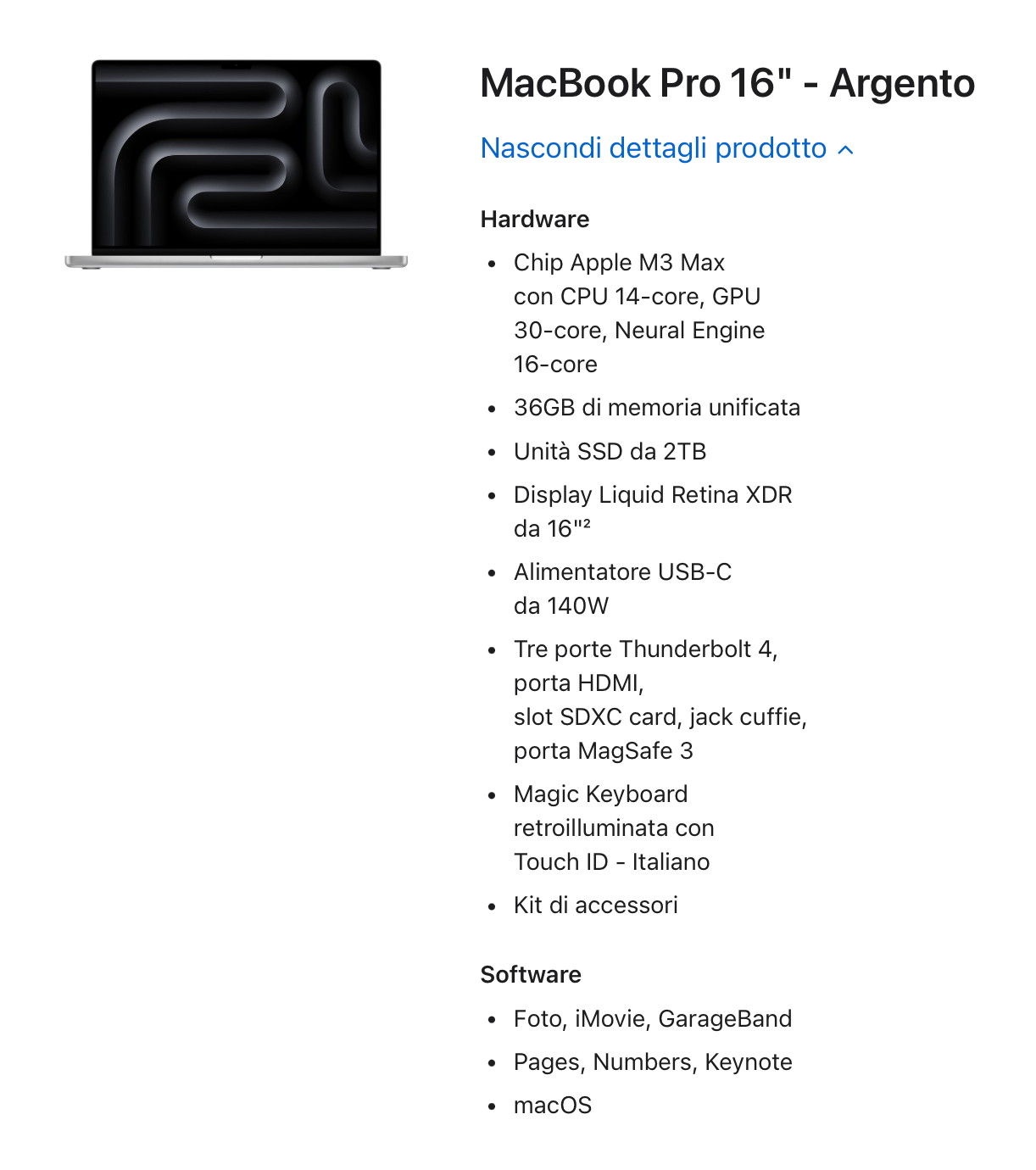
Purchasing a new computer comes in several phases: planning, configuring, ordering, fetching, and configuring. If one is upgrading their main working machine, then it is even more important to get through most steps in the smoothest way possible.
Author Archives: Michele Galvagno
BLACK FRIDAY SALE ANNOUNCED

Hello there!
Welcome to the one time of the year where the impossible happens, when the invisible becomes visible, and when unavailable bundles come out of hiding!
New season, new colours!

Dear all,
Welcome to the first update for _Fall 2023,_ live from Italy, where we came back to at the end of September.
I apologise for not sending updates during September and October, but after the events of the beginning of July, I didn’t feel the usual drive to write.
La Bergamasque—Episode 1

What follows is an extract from M° Fabrizio **Capitanio**’s notes at the beginning of this edition. Find the full edition [here] and watch the [promo video here].
This is the first edition of a new series dedicated to the city of Bergamo, Italy. It takes its name from the popular dance from the Renaissance period of the same name, _La Bergamasque!_
My upgrading path to Apple Silicon – Part 2
As we saw in the [last article], the new machine needs to perform at least double as the outgoing machine, and its internals also need to be double. Finally, it has to be another lasting machine, as I do not plan to replace it again for the next 6+ years. Let’s configure this machine together, and I will also try to motivate my choices.
 Music Preparation Services