

Dear all, Welcome to the June 2022 instalment of my monthly newsletter. I hope that, wherever you are in the world, you are healthy, safe, and can proudly fight against all the speculations that are plaguing our society. All we can do is to try to make the little corner of world around us aContinue reading “Artistic Score Engraving — June 2022 Newsletter”
Author Archives: Michele Galvagno
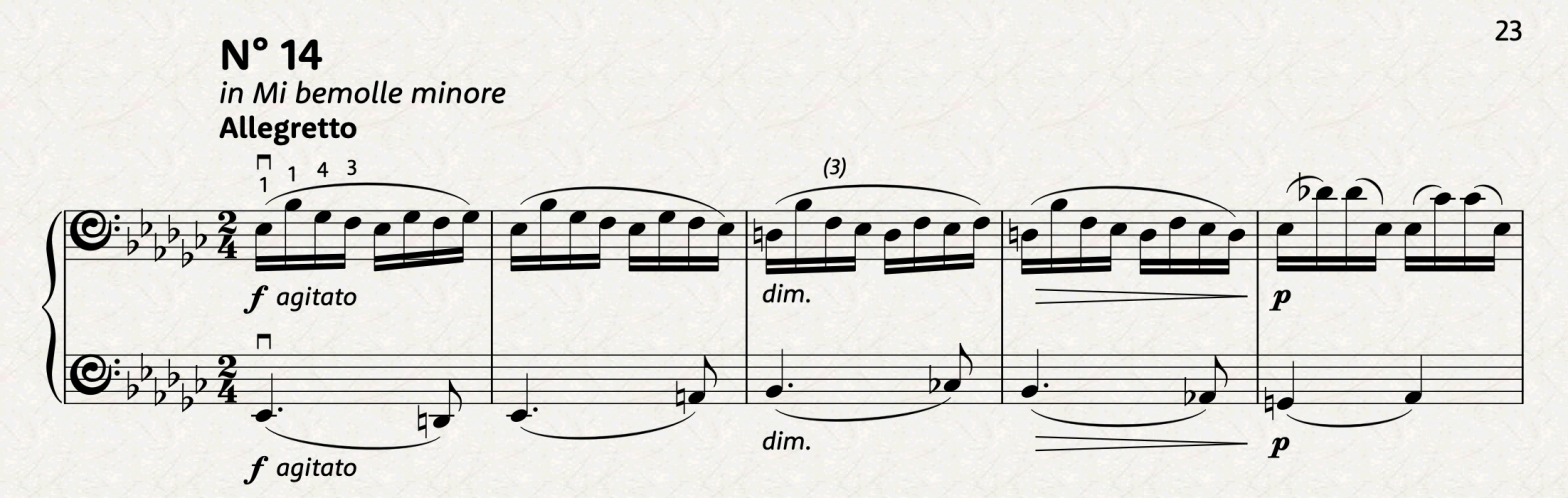
Dotzauer Project: announcing the Twenty-four Exercises for two cellos, Op. 159

This article is an expanded and enriched version of the Editorial Notes you will find in the published edition, which you can find here. A promotional video can be watched here below: Producing this edition Hunting for the source Preparing this second instalment of my complete Dotzauer republishing project was much harder than I initiallyContinue reading “Dotzauer Project: announcing the Twenty-four Exercises for two cellos, Op. 159”
Learning the C Programming Language as a Classical Musician [18]

Episode 18 — Types (Part 10: Function types) Welcome back! Today we are scratching the surface of one of the greatest subjects in programming: functions! My goal in this episode will be to try to keep this concise and, at the same time, interesting and helpful to read. Let’s dive right in! Function types ItContinue reading “Learning the C Programming Language as a Classical Musician [18]”
Artistic Score Engraving — May 2022 Newsletter
Dear all, The next few paragraphs will contain some personal reflections on the current geopolitical situation. If you do not feel like reading them, or feel disturbed by anything written in there, please, just skip to the next section where I resume the musical talk. Thank you for your patience and understanding. The war thatContinue reading “Artistic Score Engraving — May 2022 Newsletter”
Learning the C Programming Language as a Classical Musician [17]
Episode 17 — Types (Part 9: Practical Examples) Welcome back! Today we are looking at yet another derived type, similar to struct but with a crucial difference: the way it handles storage. Let’s get started with unions. Union types In the previous episode, we looked at how each member of a struct would be storedContinue reading “Learning the C Programming Language as a Classical Musician [17]”
 Music Preparation Services