

Welcome back again!
Today we conclude our journey through the notational conventions that allow you to properly engrave an opera, specifically focused on doing this in Sibelius.
Welcome back again!
Today we conclude our journey through the notational conventions that allow you to properly engrave an opera, specifically focused on doing this in Sibelius.
Welcome back! Today we continue our journey through the notational conventions that allow you to properly engrave an opera, specifically focused on doing this in Sibelius.
Last week, we completed all that is needed to know about setting up your opera score’s staves. Today, we delve deep into instrument-specific conventions that may be unique to opera, but may also apply to other big symphonic contexts. Let’s get started.
Now that we have our full score set up, we can move forward and dive deep into what _notational conventions_ should be respected when engraving an opera.
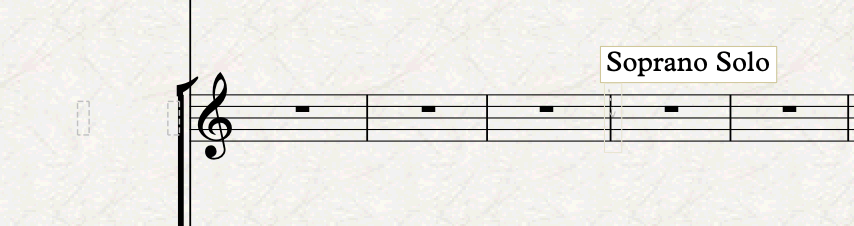
What would be an opera without solo singers? Well, it would just be a massive symphony, though also this statement could be discussed at length. There are special conventions on how to prepare singers’ staves, and they are like nothing I had ever encountered before. This is because there is an extra component that a symphony doesn’t have: the stage!



 Music Preparation Services