
Dear all,
Welcome to the second update for _Summer 2023,_ this time live from Belgrade, Serbia! Before moving on with the news, I would like to offer my public apology to the several thousands of people who watched the excerpt of
Dear all,
Welcome to the second update for _Summer 2023,_ this time live from Belgrade, Serbia! Before moving on with the news, I would like to offer my public apology to the several thousands of people who watched the excerpt of
In [Lesson 1], the lesson ended with a personally composed rhythm to memorise the order of letters of the Cyrillic alphabet. A few days later, I discovered a song that Serbian kids have been using for the last 30 years at least.
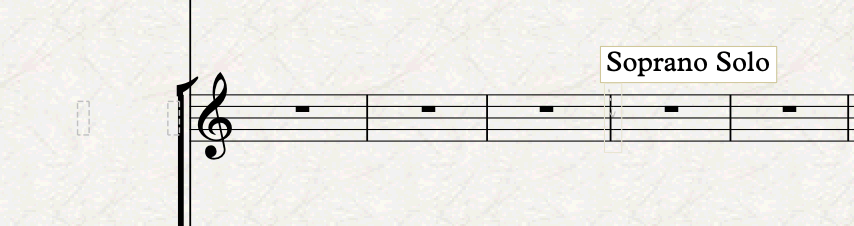
What would be an opera without solo singers? Well, it would just be a massive symphony, though also this statement could be discussed at length. There are special conventions on how to prepare singers’ staves, and they are like nothing I had ever encountered before. This is because there is an extra component that a symphony doesn’t have: the stage!
Episode 3 – First Steps (cont’d) Instruments set-up (Part 2) Percussion In an ideal world, you will know beforehand how many instruments and players your opera will need, but let’s be realistic: when will that happen? Let’s once more play safe by respecting one single rule: the timpanist is not a percussionist! That is, giveContinue reading “How to engrave an Opera (in Sibelius) – Ep. 3”
Episode 2 – First Steps Choose paper, margins, and staff size The first thing to do when engraving a big symphonic work such as an opera is to choose the two main parameters that will accompany you for the rest of your journey. At full power, an opera orchestra may have around 30 to 40Continue reading “How to engrave an Opera (in Sibelius) – Ep. 2”



 Music Preparation Services